Commercial buildings need to be safe, well maintained and suitable for the people who use them every day. Whether it is an office near Colmore Row, a warehouse close to the M6, a retail unit in Walsall town centre or an industrial site around Aston, Darlaston or Digbeth, compliance should be part of how the building is managed.
For many businesses, the challenge is not knowing that checks need to be done. It is keeping track of what is due, who is responsible and whether maintenance records are up to date.
That is where a structured facilities management plan can help. By organising inspections, planned maintenance and remedial work, businesses can reduce risk, avoid unnecessary disruption and keep their premises running reliably.
Meridian Integrated Systems supports commercial and industrial sites across Birmingham, Walsall and the wider Midlands with facilities management, planned preventative maintenance, electrical services, security systems and building support.
Why Compliance Matters for Commercial Buildings
Compliance is not just about ticking boxes. It is about protecting staff, visitors, contractors, customers and the business itself.
A poorly maintained building can create avoidable risks. Electrical faults, failed emergency lighting, damaged access points, unreliable security systems or neglected maintenance issues can all affect safety and day-to-day operations.
For businesses operating across Birmingham City Council and Walsall Council areas, buildings can vary widely in age, layout and use. A converted office in the Jewellery Quarter may have very different requirements from a modern industrial unit in Wednesbury or a multi-tenant site near Birmingham city centre.
That is why compliance should be reviewed in the context of the actual building, not treated as a generic checklist.
The Types of Checks Businesses Should Keep on Top Of
The exact requirements will depend on the property, sector and how the site is used. However, most commercial buildings will need a clear process for managing regular inspections and maintenance.
Common areas to review include:
- Electrical testing, inspections and remedial work
- Emergency lighting checks
- Fire safety related systems and signage
- Security systems, CCTV and access control
- General building condition
- Internal and external lighting
- Contractor access and site procedures
- Maintenance records and service reports
These checks help identify problems before they become more serious. They also give building owners and managers a clearer view of what work has been completed and what still needs attention.
Electrical Safety and Maintenance
Electrical systems are one of the most important areas of commercial building compliance.
Power, lighting, security, access control, data equipment and machinery all rely on safe and dependable electrical infrastructure. If an issue develops, it can affect far more than one room or one system.
Regular electrical maintenance can help identify early warning signs such as damaged fittings, overheating, nuisance tripping, worn components or poor system performance.
For commercial premises across Birmingham and Walsall, this is especially important where buildings are used for long hours, have multiple occupants or rely on equipment that cannot afford regular downtime.
Meridian’s background in commercial electrical installations and maintenance gives its facilities management work a strong technical foundation, allowing electrical issues to be considered as part of the wider building operation.
Emergency Lighting and Safety Systems
Emergency lighting is easy to overlook because it is not used in normal conditions. However, it needs to work properly when it is required.
A planned maintenance schedule should include regular checks of emergency lighting, illuminated signage and any systems that support safe movement around the building in an emergency.
This is particularly important in larger commercial premises, shared buildings, warehouses, schools, healthcare settings and sites with visitors or shift workers.
If defects are found, they should be recorded and dealt with promptly. Leaving these issues unresolved can create unnecessary risk and may cause problems during inspections, audits or insurance reviews.
Security, CCTV and Access Control
Security systems are also part of keeping a commercial site safe and controlled.
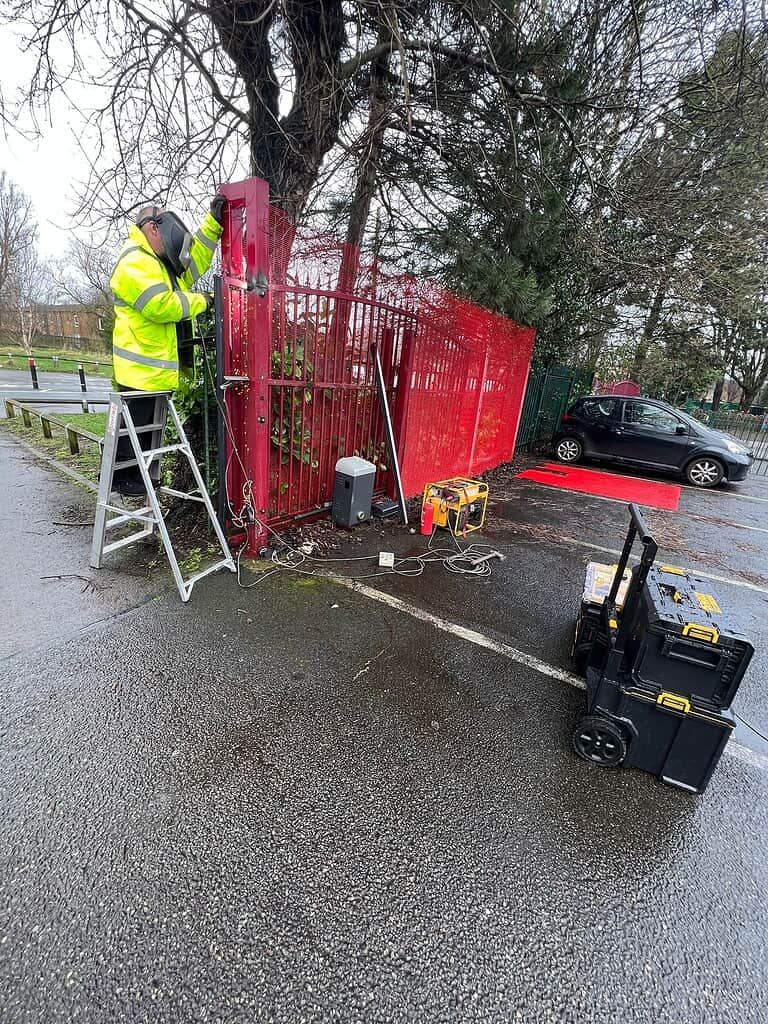
CCTV, alarms, intercoms, automatic gates and access control systems all need regular servicing to remain reliable. Over time, cameras can become misaligned, access readers can fail, doors can stop closing correctly and permissions can become outdated.
A good security review should consider whether:
- Cameras are clear, correctly positioned and recording properly
- Access control is working at all key entry points
- Old users, fobs or cards have been removed from the system
- Doors, locks and gates are operating as they should
- Security equipment still suits the way the building is used
This is useful for businesses in busy areas such as Birmingham city centre, Walsall town centre, industrial estates and multi-tenant commercial sites, where controlled access and reliable monitoring can be essential.

Building Condition and General Maintenance
Not every compliance issue is linked to a technical system.
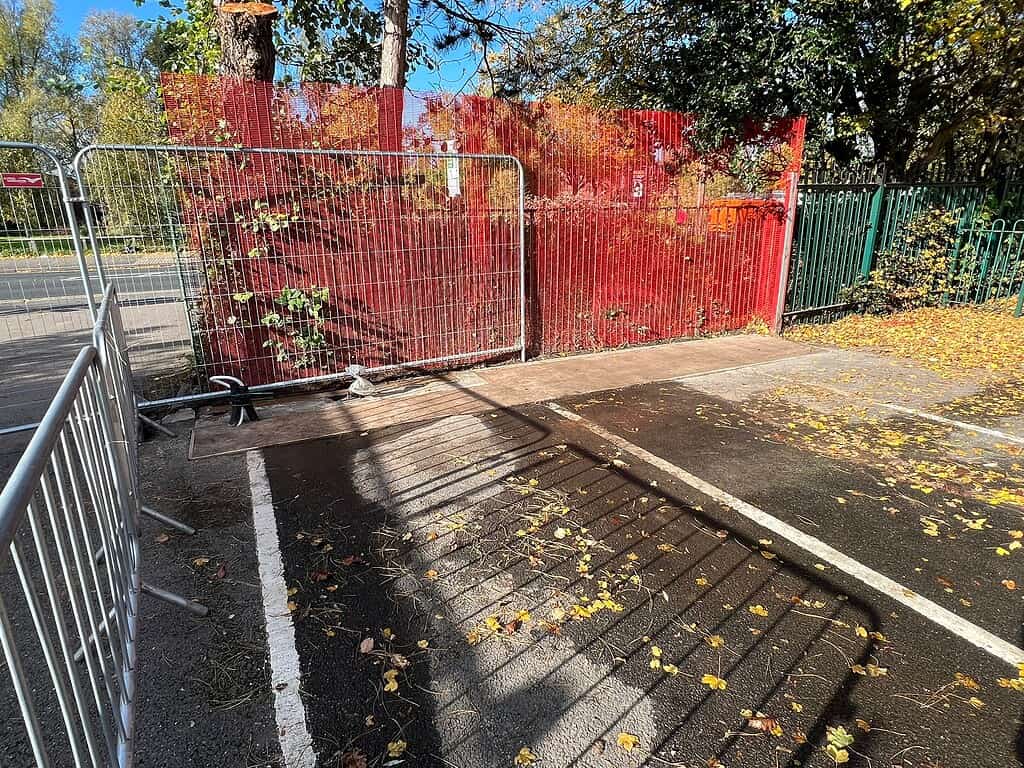
The physical condition of the building matters too. Damaged flooring, loose handrails, poor lighting, broken doors, water ingress, uneven external surfaces or badly maintained access routes can all create problems if they are ignored.
Regular site checks help spot these issues early. They also give businesses a chance to prioritise repairs based on risk and urgency.
For example, a minor leak may seem manageable at first, but it could lead to electrical issues, ceiling damage or disruption to staff if left unresolved. A broken door closer might appear small, but it could affect security, access or fire safety arrangements depending on the location.
Facilities management helps bring these smaller issues into a proper reporting and maintenance process.
Why Maintenance Records Are Important
Good records make compliance easier to manage.
If inspections, servicing and repairs are recorded clearly, businesses can see what has been done, when it was completed and what needs to happen next. This is useful for internal management, insurance queries, audits, landlord responsibilities and future maintenance planning.
Records may include:
- Inspection dates
- Service reports
- Fault details
- Repairs completed
- Remedial work recommendations
- Contractor attendance notes
- Upcoming maintenance dates
For businesses with more than one site across Birmingham, Walsall or the wider Midlands, organised records are especially useful. They help keep standards consistent and reduce the chance of important tasks being missed.
How Facilities Management Supports Compliance
Facilities management brings inspections, maintenance, contractors and records together into a more organised system.
Instead of dealing with each issue separately, businesses can work from a planned schedule. This makes it easier to arrange servicing, respond to faults, coordinate contractors and keep track of completed work.
A structured facilities management plan can support:
- Safer day-to-day building operation
- Clearer maintenance responsibilities
- Better planning for inspections and servicing
- Reduced disruption from avoidable faults
- More organised record keeping
- Faster response when issues are found
For many commercial sites, this also reduces pressure on internal teams. Rather than trying to manage several contractors and service dates, the business has one clearer route for coordinating building support.
Facilities Management Across Birmingham and Walsall
Birmingham and Walsall have a wide mix of commercial environments, from city centre offices and retail premises to industrial estates, warehouses, education settings and healthcare facilities.
Each site has different pressures. A business near the Bullring may be focused on customer access and public-facing areas, while a warehouse near the Black Country Route may be more concerned with operational uptime, electrical reliability and site security.
Meridian Integrated Systems works with commercial and industrial environments across the Midlands, providing support built around the way each building operates.
Services include facilities management, planned preventative maintenance, commercial electrical services, security systems and building maintenance.Speak to Meridian Integrated Systems
Commercial building compliance is easier to manage when inspections, maintenance and records are properly organised.
With a structured facilities management approach, businesses can reduce risk, protect building systems and keep their sites safe, reliable and operational.
Meridian Integrated Systems supports commercial and industrial premises across Birmingham, Walsall and the wider Midlands with dependable facilities management and specialist technical services.
Contact the team today to discuss compliance support, planned maintenance or wider facilities management for your commercial building.
Do you need help from our experts?
Give us a call today to get expert advice and support from our experienced team.