Keeping a commercial building in good condition takes more than arranging repairs when something goes wrong.
Offices, warehouses, industrial units, retail premises and multi-site businesses all rely on a wide range of systems working properly. Electrical equipment, lighting, security, access control, data infrastructure and the general condition of the building can all affect day-to-day operations.
A clear maintenance checklist helps building owners, facilities managers and operations teams stay organised. It provides a practical way to identify what needs attention, what should be inspected regularly and where planned maintenance can help prevent disruption.
Meridian Integrated Systems supports commercial and industrial premises across Birmingham, Walsall and the wider Midlands with facilities management, planned preventative maintenance and specialist technical services.
Why a Commercial Building Maintenance Checklist Matters
Commercial buildings are busy environments. Staff, visitors, contractors, machinery and equipment can all place pressure on the site over time.
Small issues are easy to miss when there is no structured maintenance process in place. A flickering light, damaged door closer, unreliable access point or minor electrical fault may not appear urgent at first, but it can quickly become a larger problem.
A maintenance checklist gives businesses a clearer view of the building and helps make sure important tasks are not overlooked.
It can also support:
- Safer working conditions
- More reliable building systems
- Better control over repair costs
- Clearer maintenance records
- Reduced unexpected downtime
- Improved long-term asset planning
The checklist should be adapted to the building, the systems installed and the way the premises are used.
Check Electrical Systems and Lighting
Electrical systems are central to almost every commercial environment.
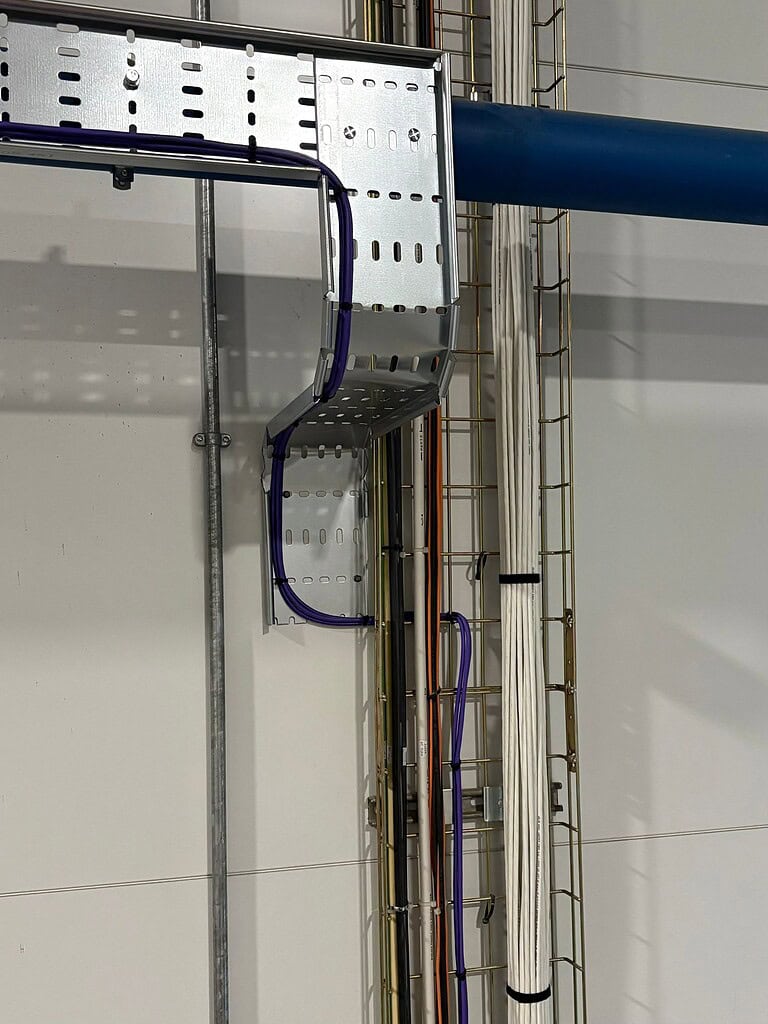
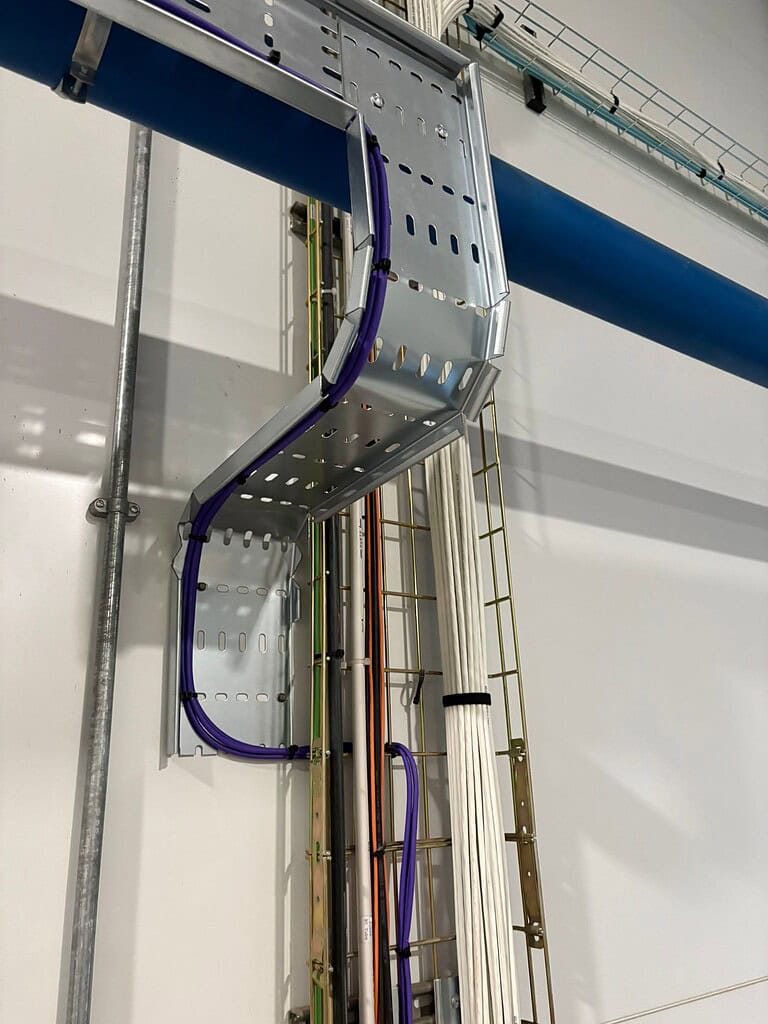
Lighting, computers, machinery, security equipment, access control and communications systems all depend on a safe and reliable electrical supply. When electrical faults occur, they can affect several parts of the building at once.
Regular checks should consider the condition and performance of:
- Internal and external lighting
- Emergency lighting
- Sockets and switches
- Distribution boards
- Electrical panels
- Visible wiring and fittings
- Equipment showing signs of overheating or damage
Staff should also be encouraged to report unusual smells, buzzing sounds, flickering lights or equipment that repeatedly trips circuits.
These signs should not be ignored. They may indicate a fault that needs professional inspection.
Planned electrical maintenance can help identify developing problems before they lead to a loss of power, equipment damage or wider disruption.
Review Security and Access Control
Security systems need regular attention to remain dependable.
CCTV cameras, intruder alarms, access control systems, intercoms and automated gates can all develop faults over time. Cameras may become obstructed, access readers may stop responding and older equipment may no longer provide the coverage the site needs.
A routine security check should include:
- Confirming cameras are operating and correctly positioned
- Checking recorded footage is clear and accessible
- Testing access cards, fobs and entry points
- Inspecting doors, gates and locking systems
- Checking alarms and associated warning devices
- Reviewing who currently has access to restricted areas
Businesses should also remove access permissions for former employees, contractors or suppliers who no longer need them.
For commercial premises in Birmingham and Walsall, where many sites operate across several buildings or shifts, keeping access records up to date is especially important.

Inspect the General Condition of the Building
Not every maintenance issue is technical.
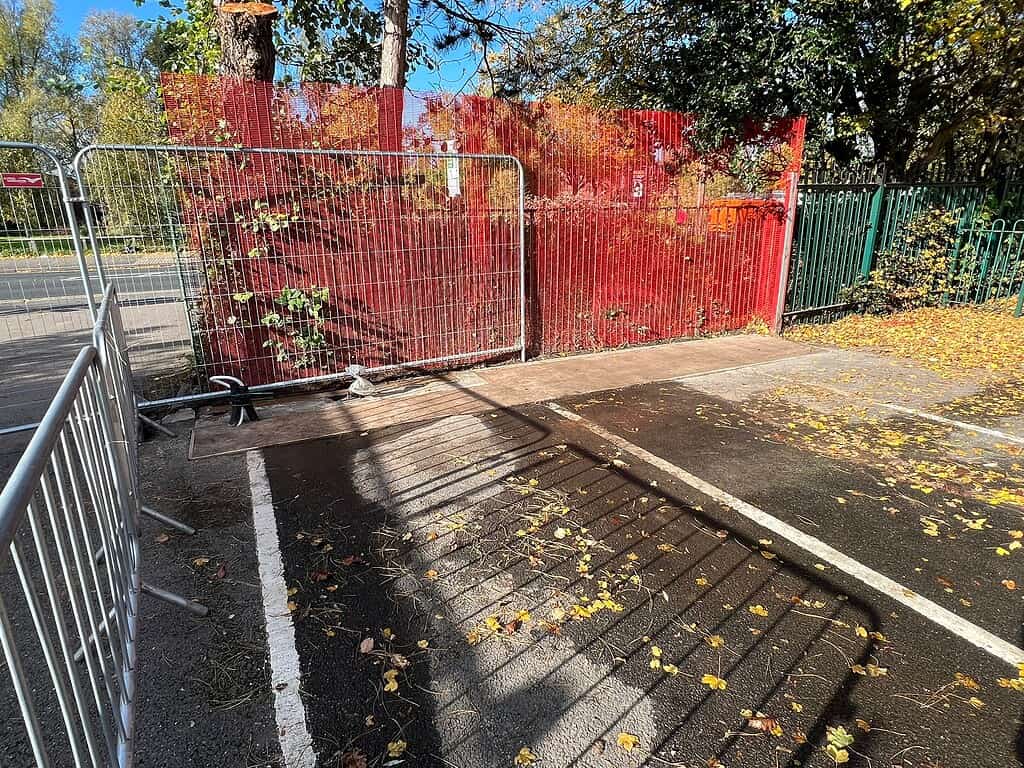
The general condition of the building should be inspected regularly, both inside and outside. Small defects can affect safety, appearance and the experience of staff or visitors.
Areas to review include:
- Doors, handles and closers
- Walls, ceilings and floors
- Stairs, handrails and walkways
- Windows and visible seals
- External paths and access routes
- Signs of damp, leaks or water damage
- Loose fixtures and fittings
Damage should be recorded and prioritised based on risk and how quickly it could become worse.
For example, a damaged floor covering could create a trip hazard, while a small water leak could lead to wider damage if it is left unresolved.
Regular building inspections help businesses deal with these issues while they are still manageable.
Keep on Top of Planned Preventative Maintenance
Planned preventative maintenance, often known as PPM, is a structured way of maintaining building systems before they fail.
Instead of waiting for a fault to appear, inspections and servicing are arranged at planned intervals. This can be based on manufacturer recommendations, the condition of the equipment, how often it is used and any testing requirements that apply.
A PPM schedule may cover electrical systems, lighting, security equipment, access control, data infrastructure and general building components.
The main advantage is that work can be organised at a suitable time.
Maintenance can be scheduled outside busy periods or around normal operations, reducing the impact on staff, customers and production.
A good PPM programme should be reviewed regularly. If equipment begins to fail more often or the use of the building changes, the schedule may need to be adjusted.
Check Emergency Lighting and Safety Systems
Emergency lighting and other safety-related systems need to be ready when required.
A fault may not be obvious during normal day-to-day use, which is why testing and inspection are important.
Building managers should make sure checks are being completed and recorded for systems such as:
- Emergency lighting
- Fire-related electrical systems
- Warning signs and illuminated exits
- Security alarms
- Access systems used during emergencies
Any defects should be dealt with promptly.
Facilities management can help bring these checks into one organised maintenance schedule, making it easier to see what has been completed and what is due next.
Review Data and Communications Infrastructure
Reliable data and communications systems are essential for many modern businesses.
Poor connections, damaged cabling or disorganised infrastructure can affect productivity and make future maintenance more difficult.
A basic review should look for:
- Damaged or exposed data cables
- Loose network points
- Overloaded or untidy cabinets
- Unlabelled connections
- Equipment that is overheating
- Areas with repeated connection issues
Clear labelling and organised cabling can save time when faults need to be traced.
It also makes upgrades, moves and changes easier to manage as the business grows.
Look for Repeated Faults
Repeated faults are often a sign that a larger issue needs attention.
If the same light fitting, access point, circuit or piece of equipment keeps failing, repeated short-term repairs may no longer be the most cost-effective answer.
Maintenance records can help identify patterns.
Building managers should review:
- How often the same issue has occurred
- What repairs have already been completed
- Whether the equipment is approaching the end of its working life
- Whether other parts of the same system should be inspected
- Whether replacement would offer better value
This is where asset lifecycle planning becomes useful.
Rather than waiting for equipment to fail completely, businesses can prepare for future replacement and arrange work at a time that causes less disruption.
Make Sure Maintenance Records Are Up to Date
Good records are an important part of commercial building maintenance.
They give businesses a clear history of inspections, faults, servicing and repairs. They also help facilities teams understand what has been done and what may require attention next.
Useful information to record includes:
- Inspection dates
- Service reports
- Fault descriptions
- Repairs completed
- Parts replaced
- Recommendations for future work
- Upcoming maintenance dates
Records should be easy to access and kept in a consistent format.
This becomes particularly valuable for businesses with more than one site across Birmingham, Walsall or the wider Midlands. A clear system helps ensure maintenance standards remain consistent across every location.
Review Contractor Access and Site Procedures
Commercial buildings often require several specialist contractors.
Clear procedures help ensure works are completed safely and with minimal disruption.
Before a contractor attends, the business should confirm:
- Who is responsible for meeting them
- Which areas they are allowed to access
- Whether work permits or site inductions are required
- What health and safety procedures apply
- Whether the work affects staff, customers or production
- How completed work will be recorded and checked
Facilities management can help coordinate these visits, manage communication and provide a clearer line of accountability.
This reduces pressure on internal teams and helps prevent missed appointments, access problems and conflicting work schedules.
Plan for Reactive Maintenance
Even with a strong planned maintenance programme, unexpected faults can still happen.
A commercial building should have a clear process for reporting and responding to urgent issues.
Staff should know:
- Who to contact
- What information to provide
- How urgent issues are prioritised
- Which areas may need to be isolated
- How updates will be communicated
Reactive support is most effective when it is linked to the wider facilities management plan.
A provider that already understands the building, its systems and its operating requirements can often respond more efficiently than a contractor attending the site for the first time.
Adapt the Checklist to Your Premises
There is no single maintenance checklist that suits every building.
An office in Birmingham city centre will have different requirements from an industrial site in Walsall. A warehouse operating around the clock will also need a different maintenance plan from a smaller commercial unit used during standard working hours.
The checklist should take account of:
- The size and age of the property
- How the building is used
- Opening and operating hours
- The number of people on site
- The systems and equipment installed
- The effect that downtime would have
- The condition of existing assets
- Previous faults and repairs
A site review can help identify priorities and create a maintenance plan based on the actual needs of the business.
Commercial Building Maintenance in Birmingham and Walsall
Meridian Integrated Systems provides facilities management and specialist technical support for commercial and industrial sites across Birmingham, Walsall and the wider Midlands.
Our services include planned preventative maintenance, electrical installation and maintenance, security systems, data and communications, reactive support, building maintenance and contractor coordination.
By bringing these services together, we help businesses maintain safer, more reliable and better organised commercial environments.
Speak to Meridian Integrated Systems
A clear commercial building maintenance checklist is a useful starting point, but it works best as part of a structured facilities management plan.
Regular inspections, organised records and planned maintenance can help reduce disruption, protect important assets and make day-to-day building management easier.
Meridian Integrated Systems supports businesses across Birmingham, Walsall and the Midlands with dependable facilities management and technical services.
Contact our team to discuss the maintenance requirements for your commercial or industrial premises.
Do you need help from our experts?
Give us a call today to get expert advice and support from our experienced team.